We see a favourable outlook for the negotiations, Iranian president says
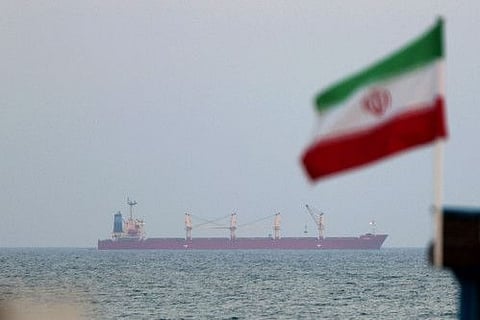
Fresh US sanctions target Iran’s oil trade and weapons networks.AFP file
Dubai: The United States on Wednesday announced a new round of sanctions targeting Iran’s oil trade and weapons networks, intensifying what Washington calls its “maximum pressure” campaign even as Iranian negotiators travelled to Geneva for high-stakes nuclear talks.
The US Treasury Department said the measures target more than 30 individuals, entities and vessels accused of facilitating “illicit Iranian petroleum sales” and supporting Tehran’s weapons programmes. Particular focus was placed on ships operating within Iran’s so-called “shadow fleet,” which Washington says covertly transports Iranian oil to foreign markets.
“Iran exploits financial systems to sell illicit oil, launder the proceeds, procure components for its nuclear and conventional weapons programmes, and support its terrorist proxies,” US Treasury Secretary Scott Bessent said.
Third round of talks
The sanctions move comes ahead of a third round of Oman-mediated negotiations between Washington and Tehran, scheduled for Thursday in Geneva, aimed at resolving the long-running dispute over Iran’s nuclear activities.
Despite the mounting pressure, Iranian President Masoud Pezeshkian struck a hopeful tone, expressing confidence in diplomacy.
“We see a favourable outlook for the negotiations,” Pezeshkian said, adding that Iran was pursuing talks “under the guidance of the supreme leader” to move beyond the prolonged “neither war nor peace” situation with the United States.
US President Donald Trump, however, reiterated his hardline stance, warning that Iran would never be allowed to develop a nuclear weapon. In his latest address, Trump accused Tehran of harbouring “sinister nuclear ambitions” and claimed Iran was developing missiles capable of eventually striking the United States — assertions dismissed by Iran as “big lies.”
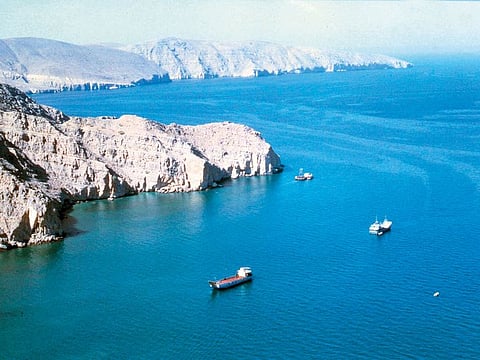
The diplomatic push unfolds amid heightened military signalling. Washington has expanded its naval presence in the Middle East, while Iran has conducted fresh military drills near the strategic Strait of Hormuz.
Hezbollah red line
Adding to regional tensions, a Hezbollah official told AFP that the Lebanese movement would not intervene militarily in the event of “limited” US strikes on Iran, though any direct targeting of Iran’s supreme leader Ayatollah Ali Khamenei would cross a “red line.”
Lebanese authorities fear a wider escalation could trigger a chain reaction, with one official warning of “very horrible and unpredictable consequences” should conflict spread.
Hezbollah remained on the sidelines during last year’s brief Israel-Iran war, but officials cautioned that continued hostilities could test that restraint.
عن المؤلف