Chokepoint handles one-fifth of global oil, leaving prices exposed to geopolitical shocks
Dubai: The Strait of Hormuz has once again returned to the centre of global energy markets as renewed tensions between Iran and the United States raise the risk of disruption at the world’s most important oil chokepoint.
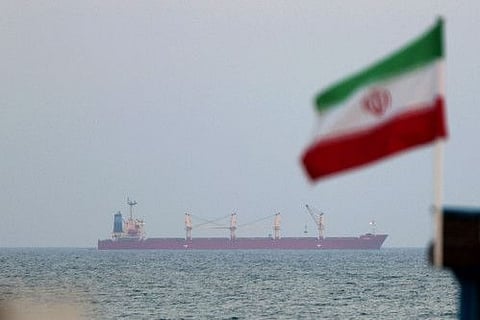
In the latest update, Iranian authorities temporarily closed parts of the strait during military drills, while the US expanded its naval presence in the Gulf. The moves revived long-standing concerns over the vulnerability of oil and gas supplies that pass through the narrow waterway.
Why the strait matters
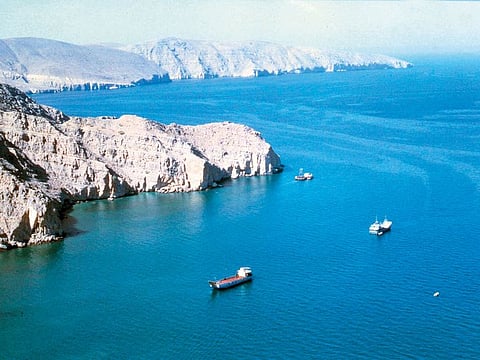
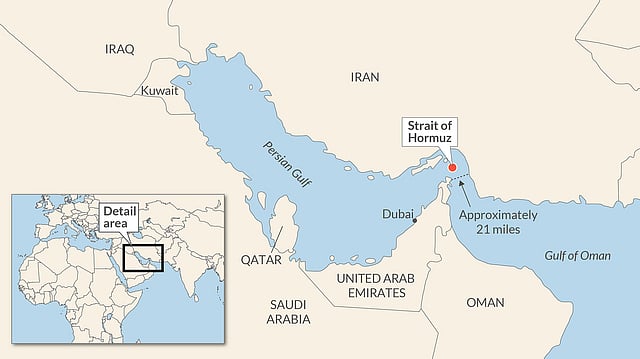
The Strait of Hormuz links the Gulf with the Arabian Sea and open oceans. It lies between Iran to the north and Oman and the United Arab Emirates to the south, narrowing to about 33 km at its tightest point.
Despite its narrow width, it carries the world’s largest oil tankers and serves as the primary export route for Gulf crude and liquefied natural gas, leaving energy markets highly sensitive to geopolitical shocks.
Heavy oil, gas flows
Around 20 million barrels of oil per day transited the strait in 2024, equivalent to roughly 20% of global oil consumption, according to the US Energy Information Administration. That translates into close to $500 billion in annual oil and gas trade.
The strait is also critical for LNG. About one-fifth of global LNG shipments passed through Hormuz, with Qatar accounting for the bulk of volumes. “There are very few alternative options to move oil out of the Gulf if the Strait of Hormuz is closed,” the EIA has said.
Where the energy goes
Most energy shipments through Hormuz are bound for Asia. In 2024, about 84% of crude oil and condensate and 83% of LNG moving through the strait were destined for Asian markets.
China, India, Japan and South Korea together accounted for about 69% of all crude and condensate flows, underlining the region’s exposure to any supply disruption.
Military calculus
At its narrowest point, the strait and its shipping lanes fall within the territorial waters of Iran and Oman, giving Tehran geographic leverage under international law.
Iran could attempt to disrupt traffic using naval mines, fast attack boats and submarines designed for asymmetric warfare. About 3,000 vessels transit the strait each month, making even short-lived interference economically significant.
Iranian state media have flagged sections of the strait were closed for several hours during military drills, citing security precautions.
Limited bypass options
Some Gulf producers have pipelines that bypass Hormuz, but capacity is limited. Saudi Arabia and the UAE can redirect only a portion of exports via the Red Sea or the port of Fujairah on the Gulf of Oman.
Analysts warn that even a partial disruption could trigger sharp price moves. About 70% of OPEC+ spare production capacity is located in the Gulf, limiting the market’s ability to offset losses. “Oil prices could even top $100 a barrel” if the strait were blocked, Goldman Sachs said in a recent note.
Multiple industry experts have also flagged that a closure would have a “major impact on oil prices in the near term,” depending on how long shipping remained disrupted.
Wider economic fallout
Higher oil and gas prices would feed through to inflation, raising fuel, transport and manufacturing costs worldwide, with Asia most exposed.
“Oil prices are likely to stay volatile, with sharp two-way swings,” said Sugandha Sachdeva, founder of a New Delhi-based research firm SS WealthStreet, told Reuters, citing heightened geopolitical risk.
Any prolonged disruption would not only lift oil prices but also strain global trade, financial markets and economic growth, turning a regional standoff into a worldwide economic shock.
عن المؤلف