Hessa Street Phase II contract doubles capacity, serves 650,000 residents
RTA’s Hessa Street Project is one of Dubai’s largest road upgrades, designed to ease congestion along one of the city’s busiest corridorsRTA
Dubai: Motorists along one of the Dubai’s busiest corridor Hessa Street can soon expect a major improvement in traffic flow, shorter travel times, and smoother journeys, following the award of the Phase II contract for the Hessa Street Development project by the Roads and Transport Authority (RTA).
The initiative is one of Dubai’s largest road upgrades, designed to ease congestion along one of the city’s busiest corridors, while also promoting cycling and sustainable transport.
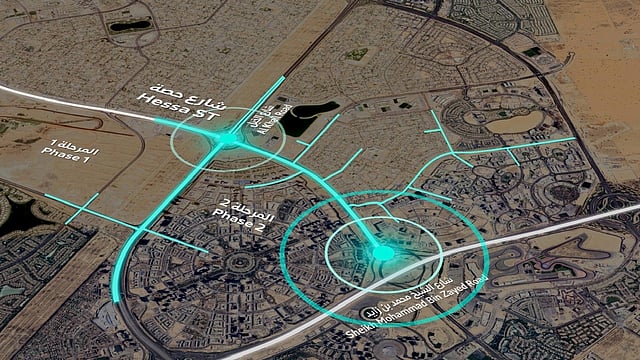
The project, spanning a 3km stretch between Al Khail Road and Sheikh Mohammed bin Zayed Road, will double the road’s capacity, reducing journey times from 24 minutes to just five. It is set to benefit nearly 650,000 residents across 10 key communities, including Jumeirah Village Circle (JVC), Al Barsha South, Arjan, Dubai Science Park, Jumeirah Lakes Towers, Barsha Heights, The Greens, Emirates Hills and surrounding areas.
“Phase II of Hessa Street Development complements Phase I, which will be fully completed in the first quarter of 2026,” said Director General and Chairman of the Board of Executive Directors of the Roads and Transport Authority. “The project is designed to provide a safer, smoother, and faster traffic flow along Hessa Street while keeping pace with Dubai’s rapid urban development.”
A corridor ready for growth
Hessa Street is a vital east-west artery linking some of Dubai’s most densely populated and rapidly expanding residential districts. Currently, the corridor handles nearly half a million trips per day, and traffic bottlenecks during peak hours are common.
Under Phase II, Hessa Street will expand from two lanes to four lanes in each direction, boosting capacity from 4,000 vehicles per hour to 8,000 vehicles per hour in each direction.
“Phase II will significantly reduce congestion at key junctions along Hessa Street,” Al Tayer said. “The upgrades will ensure seamless traffic movement, reduce waiting times at intersections, and provide faster journeys for residents and commuters alike.”
Major upgrades
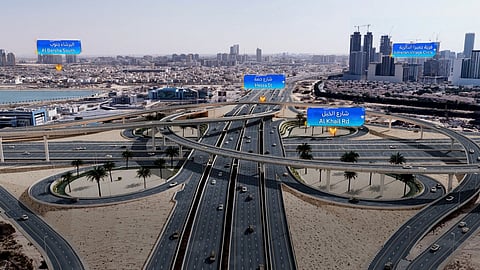
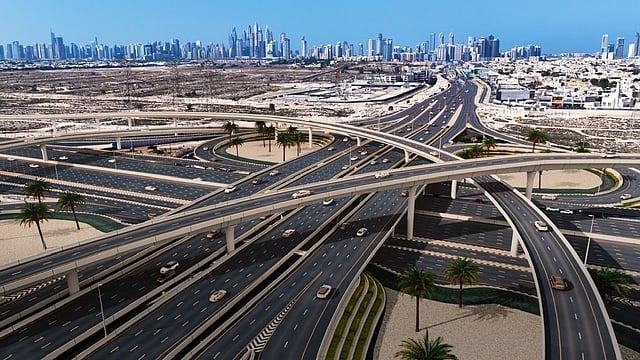
Phase II will include bridges spanning 8,835 metres and a 480-metre, two-lane tunnel to accommodate traffic from JVC towards Sheikh Mohammed bin Zayed Road.
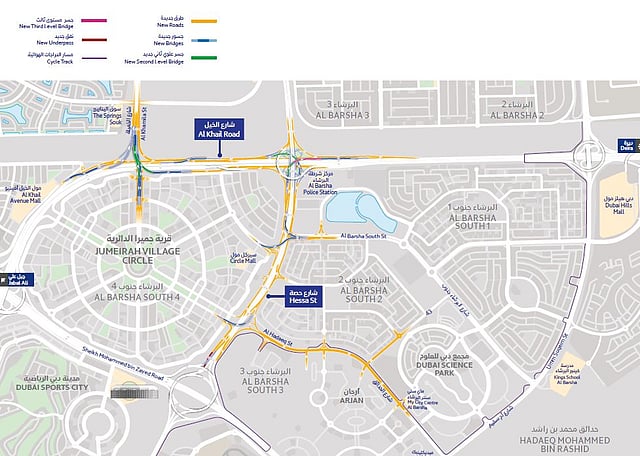
Three major intersections will be transformed into multilevel interchanges, including the Al Khail Road—Hessa Street junction.
The upgrade features:
- Grade-separated collector roads to streamline loop movements
- A two-lane second-level ramp for traffic from Hessa Street to Al Khail Road towards Abu Dhabi
- A third-level flyover facilitating traffic from Al Khail Road to Hessa Street towards Sheikh Mohammed bin Zayed Road
Capacity
The upgraded interchange is expected to handle up to 18,200 vehicles per hour, while additional ramps and bridges connecting Al Khamila Street, JVC and Al Barsha South will accommodate between 11,200 and 16,800 vehicles per hour.
A 480-metre tunnel is also being constructed to help reduce surface congestion, while Al Hadaeq Street will be widened over 2.5km into a dual carriageway with three lanes in each direction. Existing roundabouts will be replaced with signalised intersections, further improving traffic flow.
Supporting communities
“Phase II will benefit approximately 650,000 residents by reducing journey times from 24 minutes to five minutes and doubling road capacity,” Al Tayer said. “This project demonstrates how infrastructure planning can directly improve the daily lives of residents.”
Promoting cycling
In line with Dubai’s vision for sustainable transport, the project also features a 10.4km dedicated cycling and e-scooter track linking Dubai Hills and Dubai Motor City. This track will serve multiple communities, providing safe first- and last-mile connectivity and encouraging alternatives to car travel.
Phase 1
Phase I of the Hessa Street Development, which is scheduled to open in April, already includes a 13.5km cycling and e-scooter track linking Al Sufouh to Dubai Hills. Two architecturally distinctive bridges over Sheikh Zayed Road and Al Khail Road, each five metres wide, accommodate both cyclists and pedestrians.
“Supporting cycling and e-scooter networks is a key part of our strategy to reduce vehicle dependence and promote sustainable mobility,” Al Tayer said.
Immediate benefits
Phase I involved upgrading four major intersections along Hessa Street and expanding the road from two to four lanes in each direction. A key bridge opened earlier has already reduced travel time between Hessa Street and Al Khail Road from 15 minutes to just three minutes, improving connectivity to the city centre and Dubai International Airport.
Traffic flow
Once completed, the Hessa Street Development will transform traffic flow along this corridor, reduce congestion, improve safety, and provide faster, more efficient journeys for hundreds of thousands of commuters daily.
“By implementing these upgrades, we are ensuring that Dubai’s road network keeps pace with population growth and urban expansion,” Al Tayer said. “The Hessa Street Development is a model of how smart infrastructure planning can deliver practical benefits for residents and visitors alike.”
عن المؤلف