It has reached over 36,000 beneficiaries through long-term child protection initiatives
The Khalid Bin Sultan Al Qasimi Humanitarian Foundation (KSQF) has reached more than 36,000 beneficiaries across Morocco, Mexico and Zanzibar in 2025, expanding its international humanitarian work to strengthen child protection systems and address rising risks of exploitation, violence and harm affecting children worldwide.
The foundation announced the outcomes of its 2025 programmes, highlighting a year marked by broader global engagement and a strategic focus on preventive protection, early intervention and long-term institutional strengthening rather than short-term humanitarian response.
Implemented in partnership with four international non-governmental organisations — Plan International, Bayti Association, Aman Foundation for Childhood Protection and Save the Children — the initiatives combined direct protection services, community-based interventions and capacity-building programmes delivered through partners with strong on-ground presence.
KSQF operates under the humanitarian vision of the late Sheikh Khalid bin Sultan Al Qasimi and the leadership of Her Highness Sheikha Jawaher bint Mohammed Al Qasimi, prioritising sustainable solutions that create lasting impact for children and their communities. The foundation’s work is supported locally by Alef Group as Founding Principal Partner, alongside Bee’ah and Crescent Petroleum as Founding Partners, helping ensure programme sustainability and integrated child protection efforts.
Rising global risks
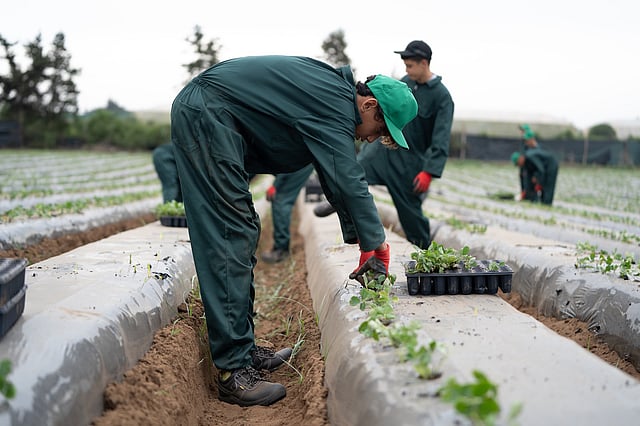
The foundation’s programmes come amid growing global concerns over child safety. International estimates indicate that around 138 million children remain engaged in child labour, while children represent nearly 38 per cent of identified victims of human trafficking worldwide. Conflict, displacement, economic pressures and climate-related crises continue to strain already fragile protection systems.
In response, KSQF aligned its 2025 initiatives with key United Nations Sustainable Development Goals, including eliminating child labour (SDG 8.7), ending trafficking and violence against children (SDG 16.2), and eliminating child marriage (SDG 5.3).
Three-pillar protection model
KSQF’s programmes are structured around three core pillars:
- safeguarding,
- advocacy and
- capacity building.
Safeguarding initiatives focus on preventing harm and improving access to protection services. Advocacy efforts promote children’s rights through policy engagement and awareness campaigns, while capacity-building programmes equip institutions and communities with skills and resources to sustain long-term protection systems.
Morocco: Strengthening protection systems
In Morocco, KSQF implemented two major initiatives benefiting more than 6,000 children, families and community members.
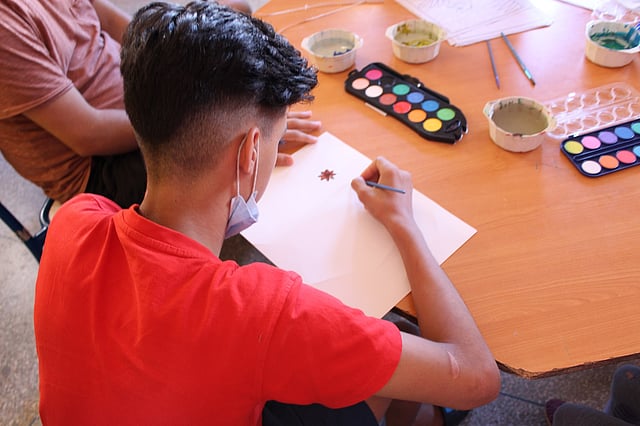
One programme, delivered with Fondation Amane pour la Protection de l’Enfance in the Sous-Massa region, focuses on community mobilisation, institutional coordination and mobile outreach. The 17-month initiative supports prevention, case management and improved access to services while contributing to Morocco’s national child protection policy framework.
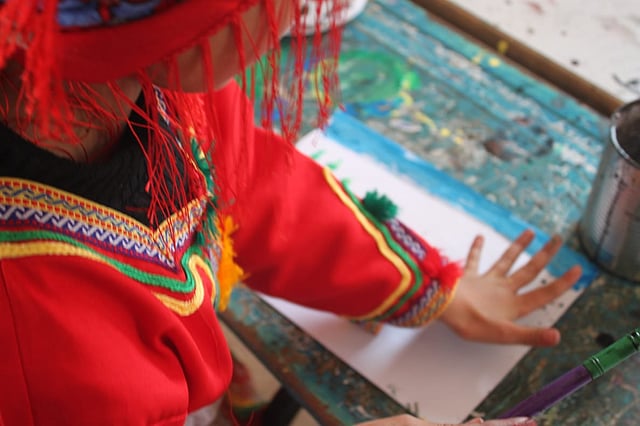
A second project, jointly funded with The Big Heart Foundation and implemented by Bayti Association, supports children living in street situations across major cities. The initiative provides shelter, healthcare, psychosocial support, education and vocational training for more than 100 children, while assisting 140 family members through reintegration and family-strengthening programmes.
Zanzibar: Supporting survivors of violence
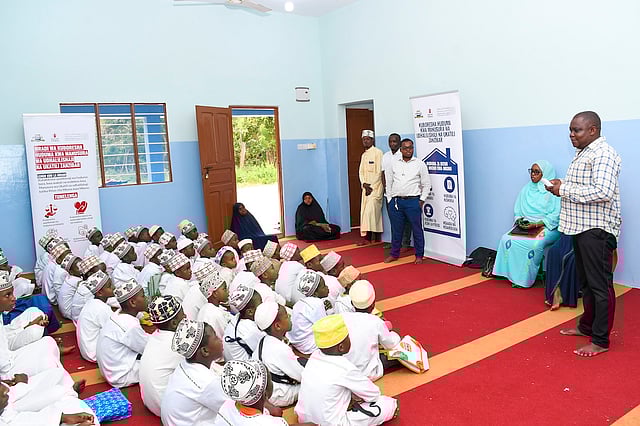
KSQF also launched its first programme in Zanzibar in partnership with Save the Children International, expanding services for survivors of gender-based violence in Pemba and Unguja.
The initiative directly supports over 1,000 survivors and reaches another 10,000 people through awareness campaigns. Delivered through One Stop Centres at Jitimai Hospital and Abdalla Mzee Hospital, the programme strengthens referral systems and access to integrated medical, psychological and legal services.
Mexico: Protecting migrant children
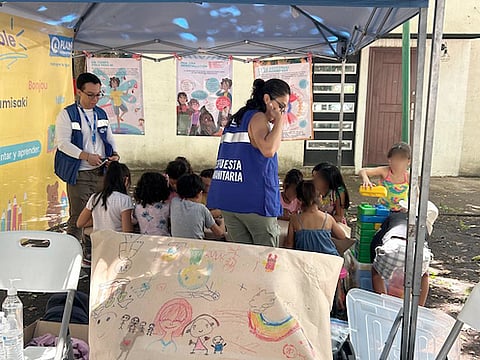
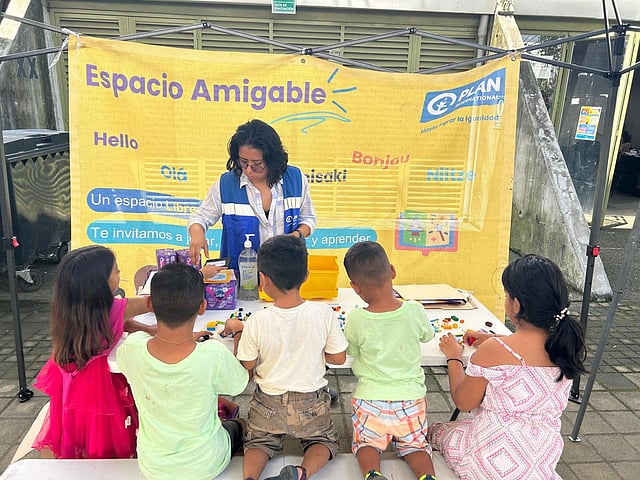
In Mexico, KSQF partnered with Plan International to implement the Guardians of Children programme, addressing protection risks faced by migrant and displaced children.
The initiative supports around 7,000 migrant children and adolescents in Tapachula, Mexico City and Ciudad Juárez, while indirectly benefiting 15,000 people through awareness campaigns and community training. Services include safe spaces, psychosocial support, mobile health units and community training to prevent trafficking and exploitation along migration routes.
Focus on sustainable impact
Lujan Mourad, Director of KSQF, said the growing complexity of risks facing children requires long-term systemic solutions.
“The challenges facing children today demand protection efforts that go beyond immediate aid,” she said. “In 2025, KSQF focused on strengthening protection systems at both community and institutional levels through prevention, early intervention and coordinated action.”
She added that the foundation’s approach reflects the humanitarian legacy of the late Sheikh Khalid bin Sultan Al Qasimi and continues under the vision of Sheikha Jawaher bint Mohammed Al Qasimi.
Expansion plans for 2026
Building on its systems-based model, KSQF plans to announce new geographic partnerships and expanded initiatives in 2026 aimed at setting new benchmarks for child protection in fragile contexts.
Headquartered in Sharjah, KSQF focuses on long-term prevention and resilience, working with global NGOs and local institutions to build stronger communities and safeguard vulnerable children worldwide.
عن المؤلف