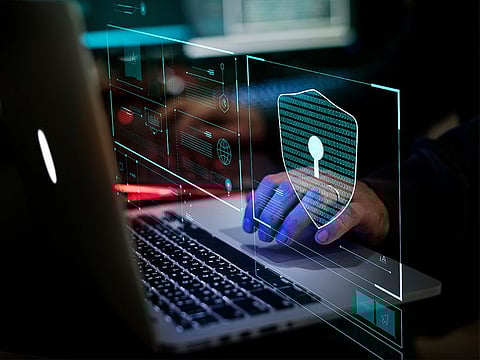
Users are advised against storing sensitive passwords on unsecured devices
Stolen login credentials can lead to unauthorized transactions.Supplied
Abu Dhabi: The UAE Cyber Security Council has warned that financial data remains one of the most sought-after targets for online fraudsters, urging individuals and organisations to strengthen protections as digital threats continue to evolve.
The council said that around 60 per cent of financial cyberattacks begin with the theft of login credentials, making compromised usernames and passwords a primary gateway for fraud, identity theft and unauthorised access to bank accounts and personal information.
In comments to the Emirates News Agency (WAM), the council stressed the need for greater caution when handling financial information online, noting that simple preventive measures can significantly reduce the risk of cybercrime.
Users were advised against storing sensitive passwords on unsecured devices, and were encouraged to review privacy settings regularly, delete untrusted applications and ensure operating systems and software are kept up to date.
The council also highlighted the importance of enabling two-factor authentication, describing it as one of the most effective defences against unauthorised access. “Every step taken to protect personal and financial data contributes directly to reducing the likelihood of falling victim to online fraud,” it said.
The council warned that cybercriminals often gain access to financial information indirectly, by hacking email or social media accounts and using them as a route to banking details.
As a result, it called on users to adopt safer digital habits, including using secure payment methods, avoiding the storage of financial data on mobile phones or personal devices, and monitoring bank accounts regularly for suspicious activity.
The council further cautioned against interacting with fake advertisements or unverified entities online, noting that fraudsters increasingly mimic the branding and logos of banks and financial institutions to deceive users. People were urged to verify messages carefully and avoid clicking on suspicious links or sharing personal or financial information.
Using public or free Wi-Fi networks for banking transactions was also strongly discouraged, with the council recommending strong, unique passwords for banking and related accounts, as well as activating instant bank alerts to allow swift reporting and action in the event of unusual transactions.
عن المؤلف